Before the Surgery
Your pre-operation consultation will involve your doctor diagnosing your condition and explaining the recommended treatment. The procedure, goals, and risks will be explained, as well as pre-procedure rules you’ll need to follow before the surgery, such as fasting or medication.
At this stage, our colorectal specialist will go into detail on everything you may want to know about your condition and treatment. You can ask questions or raise concerns with us during this consultation, and we will do our best to address each one.
During the Surgery
Anal fistula surgery is typically a day surgery performed under general anaesthesia, so most patients will be asleep during the operation. The actual duration depends on the complexity of the case. Simpler ones take approximately 30 minutes, while more complex cases can take over an hour.
During this time:
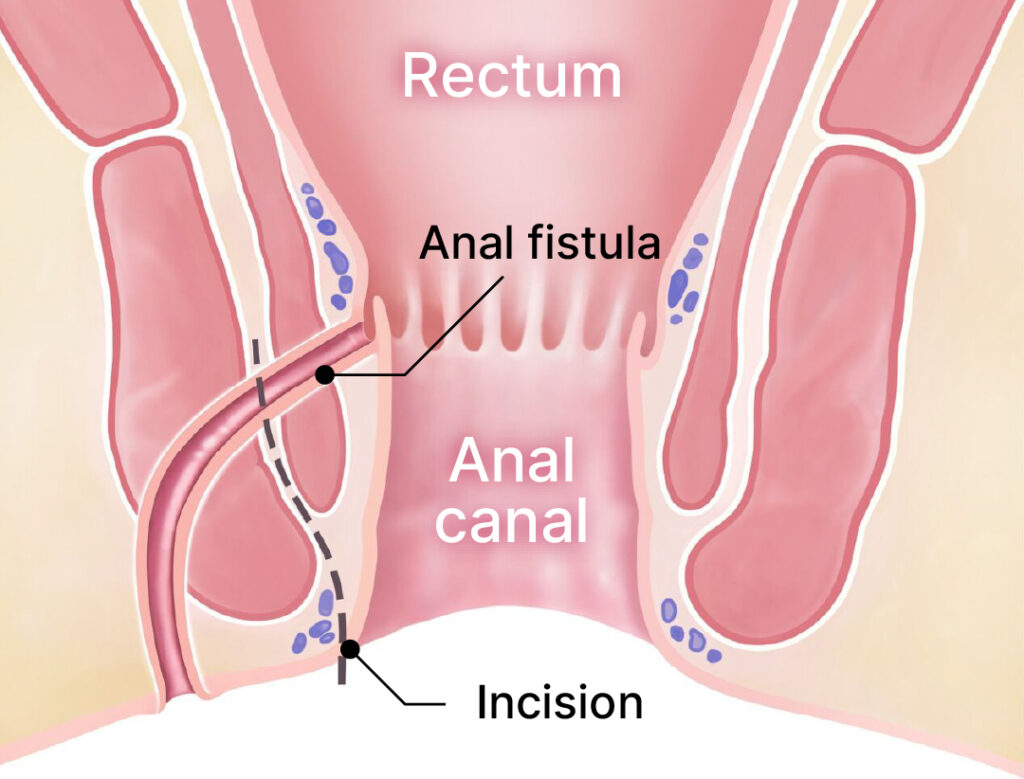
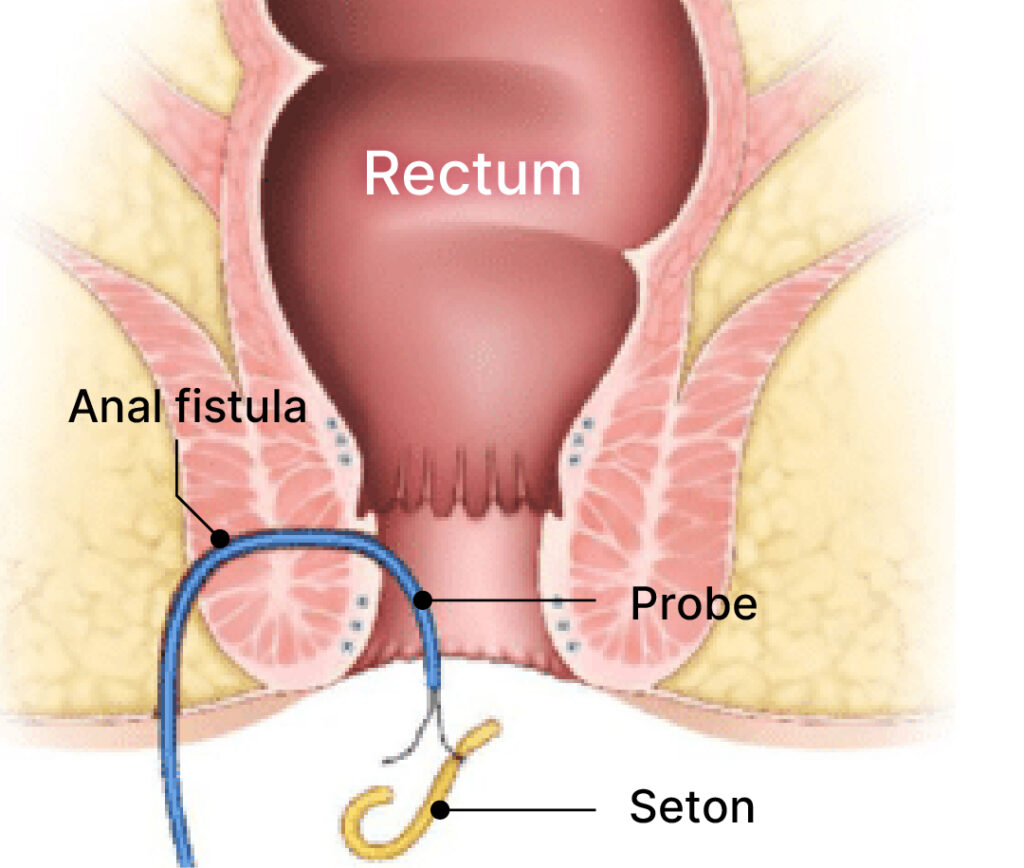
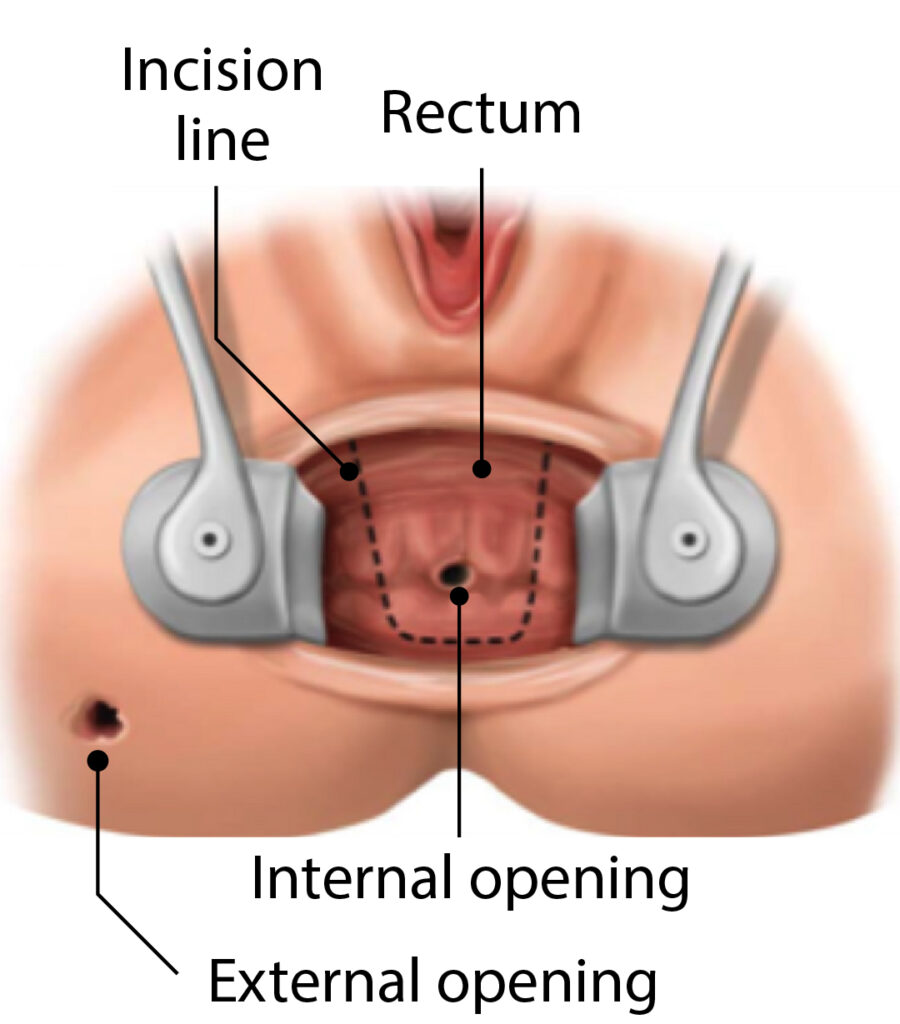
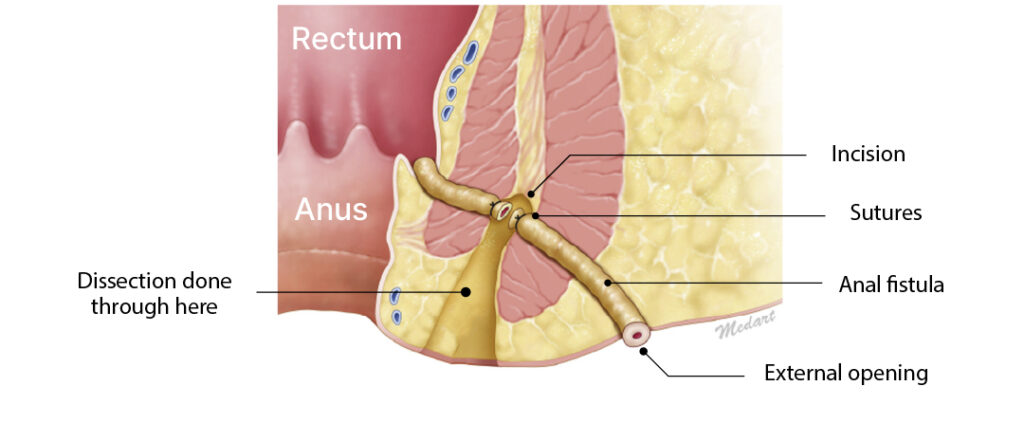
- The surgeon identifies the fistula tract or channel.
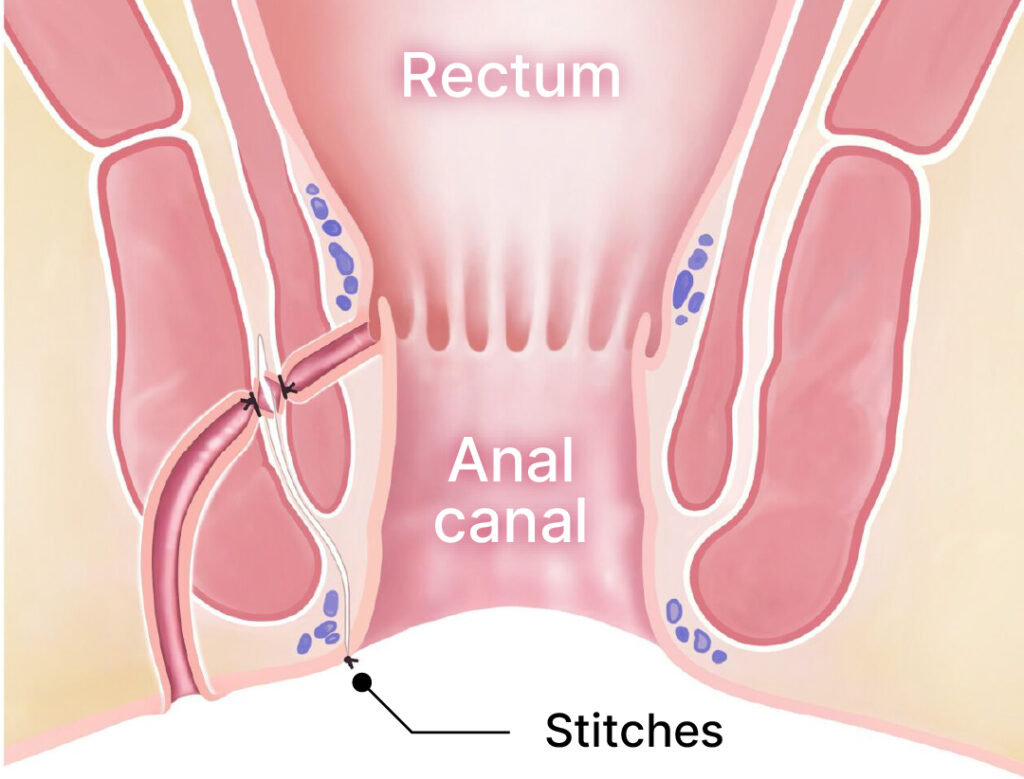
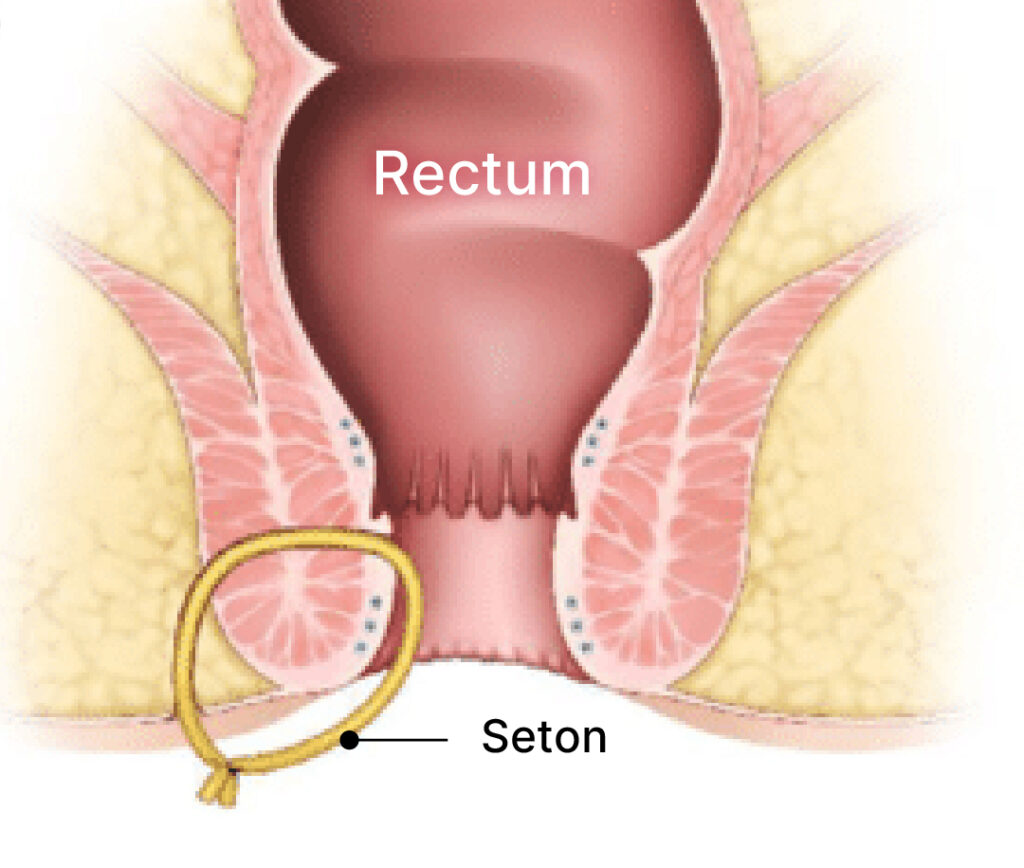
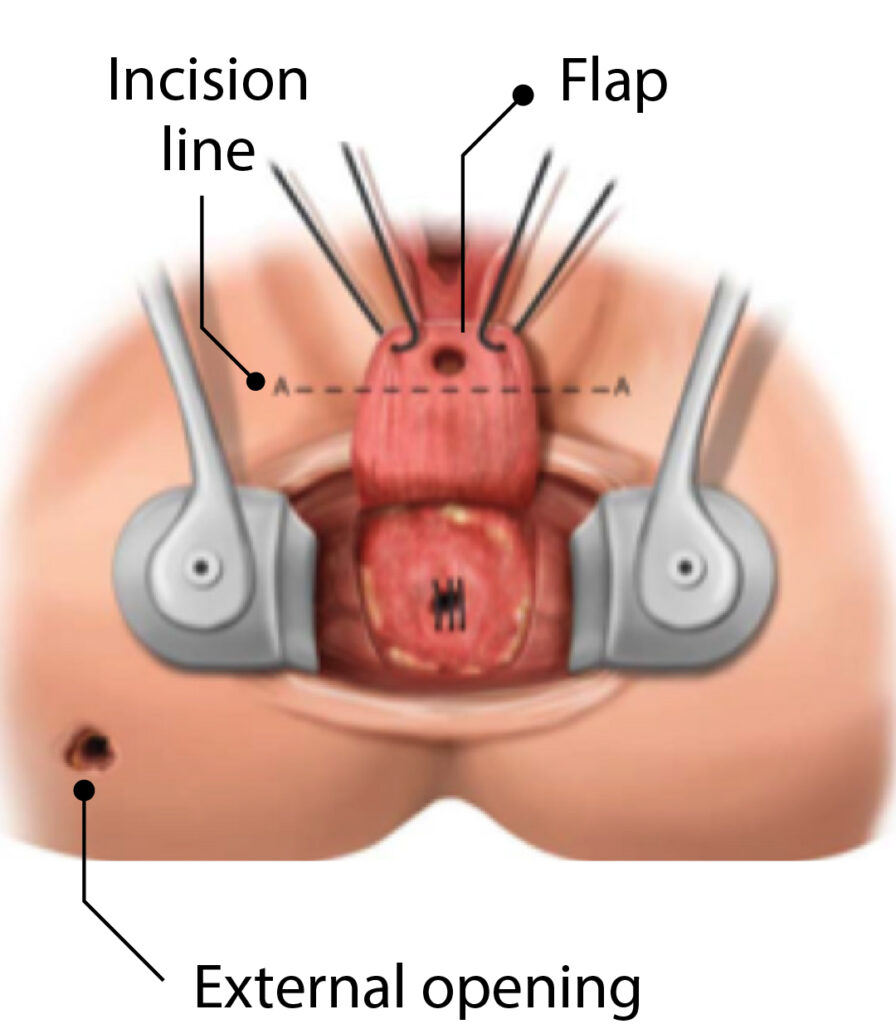
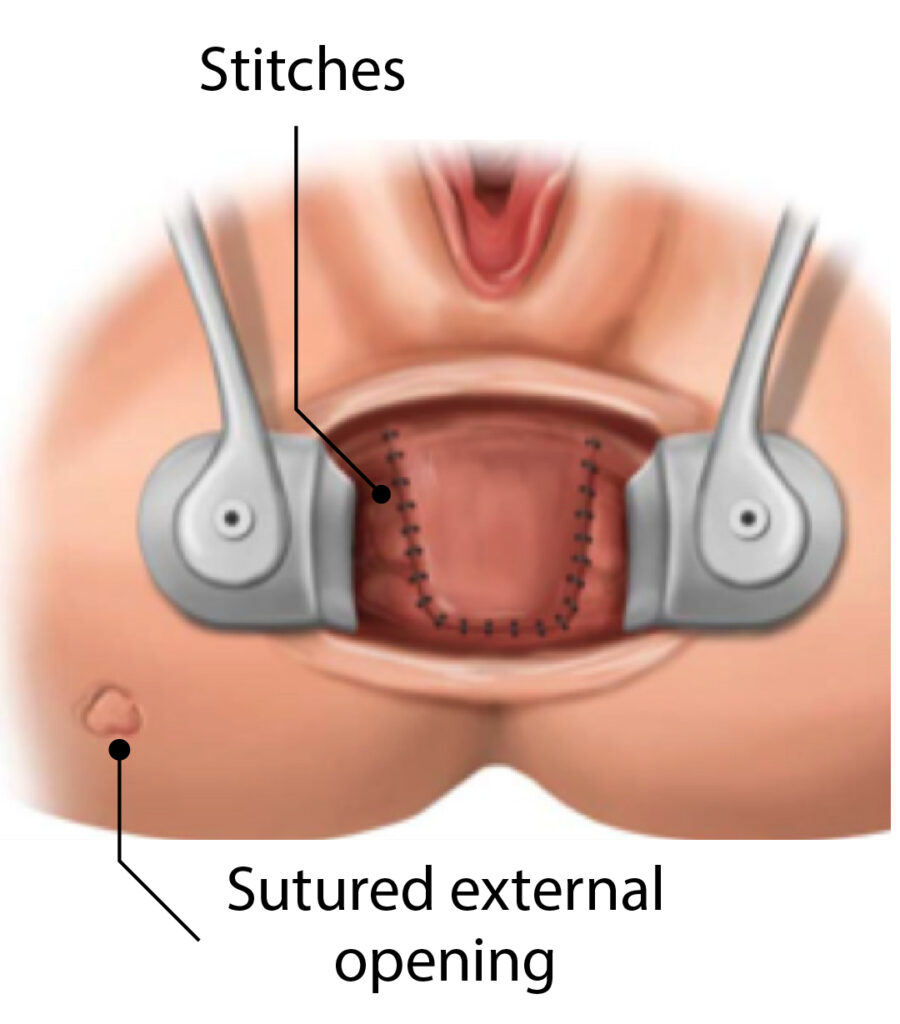
- The tract is opened or excised to promote drainage and healing, sometimes with setons or a flap for closure.
- The area is dressed as necessary to finish the surgery.
After the Surgery
Most patients can go home the same day they get anal fistula removal. In some cases, a short hospital stay may be required first.
Your doctor will give you instructions for wound care and follow-ups to monitor recovery. The first 1 to 2 weeks should be dedicated to allowing the wound to recover. After that, most patients can return to work and regular daily routines.
Physical activity should still be kept light until the wound fully recovers. This may take several weeks to months, depending on its size.
If you experience any of these after the surgery, you should see your doctor immediately:
- Significant rectal bleeding
- Fever
- Dizziness or vomiting
- Severe abdominal pain
- Abdominal swelling or pressure
Recovery and Prognosis for Anal Fistula Surgery
As this procedure is typically done on an outpatient basis, you can typically head home the same day to rest and recover. If you underwent general anaesthesia, it’s advisable not to drive and to have someone accompany you for safety reasons.
These are some common aftercare steps you may be advised to follow:
- Take a course of antibiotics after surgery or pain meds if needed.
- Take warm sitz baths to keep the area clean after a bowel movement.
- Take prebiotics or fibre supplements with ample water to keep your stools soft.
The actual prognosis will depend on how simple or complex your case is. Some fistulas may return after surgery, especially if they are multibranched or caused by chronic diseases.
Risks and Side Effects of Anal Fistula Removal
While anal fistula surgery generally proceeds smoothly, there are certain risks for it as with all other procedures:
- Infection, which may be countered by antibiotics
- Recurrence of the fistula following surgery
- In rare cases, bowel incontinence