
Hernia Repair Keyhole Surgery
What Is Hernia Repair Keyhole Surgery and Why Is It Needed?
Hernia repair keyhole surgery is a procedure used to treat hernias. It uses small incisions instead of a large cut and a thin camera inserted into the area to perform the repair internally. This is why it is also called laparoscopic hernia surgery.
Because hernias do not typically heal on their own, this procedure is often indicated for patients who want to address the condition.
It is typically used when the hernia is bilateral, a hernia has recurred, or the patient prefers quicker recovery and less post-op pain.
How Hernia Repair Keyhole Surgery Works
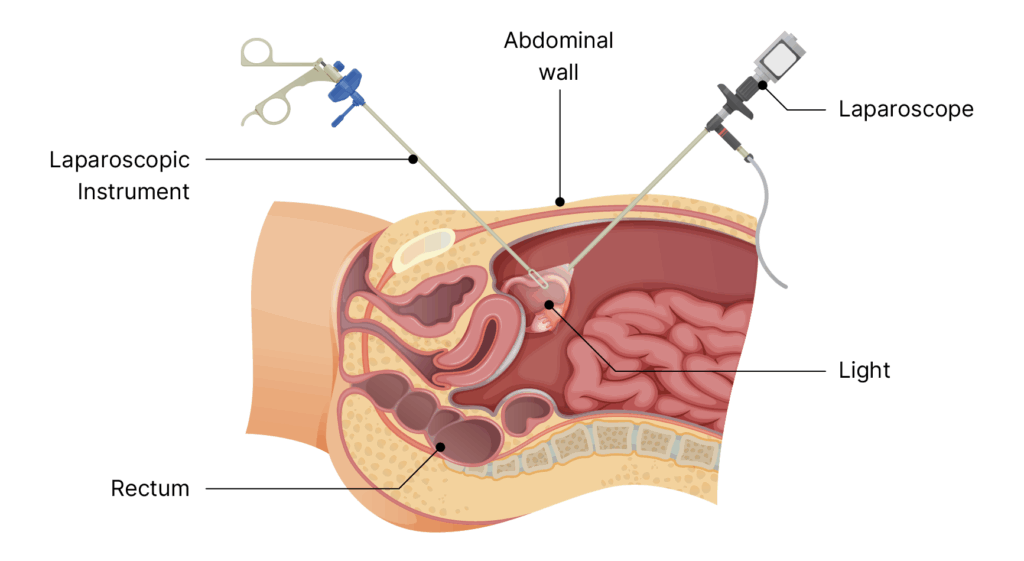
In laparoscopic hernia surgery, the surgeon makes 3-4 small incisions instead of one large one. A laparoscope or small camera is inserted in those to provide a magnified view of the surgical area.
The hernia is then repaired with precision instruments inserted into the incisions. Because the incision is so small, recovery is faster than with traditional surgery. There is also lower risk of infection and better cosmetic outcomes.
Hernias That Can Be Treated with Hernia Repair Keyhole Surgery
Not all hernias are suitable for laparoscopic hernia repair. Very large and strangulated ones typically require traditional procedures, for instance.
Below are the ones that may be addressed by keyhole surgery:
- Inguinal hernia: This often appears as a groin bulge, especially in men. It can worsen over time if not treated.
- Femoral hernia: This bulges from the upper thigh or lower groin and has a relatively high chance of urgent complications, making repair advisable even when it is asymptomatic.
- Umbilical hernia: This is a bulge near the belly button and can cause pain around it. Growing ones should be repaired promptly.
- Incisional hernia: This can occur at old surgical wounds, typically from past abdominal surgeries. It can grow, making early treatment advisable.
- Epigastric hernia: This is when a portion of the intestine protrudes through a weak spot in the stomach or abdominal muscles.
- Hiatal hernia: This occurs when a portion of the stomach protrudes through the diaphragm and into the chest cavity.
Read more about groin hernia mesh repairs.
The exact procedure for actual hernia repair will depend on the symptoms and complexity of your condition.
When to Consider Hernia Repair Keyhole Surgery
If your hernia is already causing you pain, getting larger, or limiting your activities or lifestyle, you may want to consider surgery. A doctor will still need to assess your condition and recommend the right treatment, but this is often the most effective option.
Laparoscopic surgery is often recommended if you have recurring hernias, have had previous surgeries in the area and want to avoid large incisions, or are active and prefer less post-op downtime. It offers several benefits, including faster recovery, less bleeding, lower wound complication risks, and less pain.
Consult a Specialist on Your Treatment Options
Have your condition assessed and let our colorectal specialist come up with a tailored treatment proposal for your case.
What to Expect with Hernia Repair Keyhole Surgery
Before the Surgery
Before the surgery, your doctor will examine and diagnose you, as well as provide a recommended treatment plan. This will include a detailed outline of the treatment procedure, goals, risks, and prep and aftercare instructions.
We encourage patients to ask questions or raise their concerns at this stage. Our doctor will answer all of your queries and provide whatever information he can supply for your case. Our team will also run through the pre- and post-surgery instructions with you.
During the Surgery
In most cases, laparoscopic hernia repair is conducted under general anaesthesia as an outpatient procedure. Most people will be able to go home on the same day as the surgery.
The surgical procedure typically follows the following steps:
- Creation of small incisions to the area (often around the abdomen)
- Inflation of the abdomen with CO2 gas to give the doctor space to work
- Insertion of the laparoscope or thin tube with a camera
- Pushing the herniated organ or tissue back into its proper place
- Reinforcement of the defect (hole or weak spot) with a surgical mesh
- Closing the incisions with sutures, surgical glue, or steri-strips (tiny tape)
After the Surgery
Most people can expect a same-day discharge after the laparoscopic surgery – only in special cases is a short hospital stay usually required. Your doctor and care team will provide post-op instructions for wound care and schedule follow-up consultations.
During recovery, be on the lookout for the following symptoms, as they may be signs of a complication. Contact your doctor immediately if you experience any of these:
- A new bulge or swelling at or near the hernia site
- Bleeding through the bandage (active bleeding or a rapidly expanding bruise)
- Chest pain or difficulty breathing
- Difficulty urinating or pain with urination
- Excessive redness and swelling at the incision
- Fever (temperature above 38°C) or chills
- Foul odour from the wound
- Inability to pass stools/gas
- Persistent nausea or vomiting
- Pus draining from the incision
- Severe pain that is not improving or not controlled by your pain medications
- Swollen, painful leg (could indicate a blood clot)
Recovery and Prognosis for Hernia Repair Keyhole Surgery
The timeline for recovery is faster for a keyhole surgery than for a conventional hernia repair surgery. The expected downtime from work and light activities is only 1 to 2 weeks, with most people typically making a full recovery within 4 to 6 weeks.
Patients can shower within 24 to 48 hours after surgery unless instructed otherwise. You should also avoid soaking in a bathtub, pool, or hot tub for at least 1 to 2 weeks.
Long term results are favourable for this procedure, with most patients returning to hernia-free lifestyle without long-term complications.
Risks and Side Effects of Hernia Repair Keyhole Surgery
While laparoscopic hernia repair surgery is a common procedure, it has risks and possible side effects, like all other surgeries:
- Infection after surgery, although keyhole procedures make this less likely
- Short-term bleeding, hematoma (a collection of blood), seroma (pocket of clear fluid), bruising, blood clots, or difficulty urinating
- In rare cases, hernia recurrence
- In rare cases, long-term nerve pain in the area
- In rare cases, testicular pain or swelling
Surgery Fees and Insurance Coverage
For a detailed fee breakdown or to check your eligibility for insurance or Medisave claims, please get in touch with us.
Discuss Your Treatment Options with a Specialist
If you want to learn about this minimally invasive approach to hernia repair, consult our specialist. We’ll assess your case to see if laparoscopic surgery is a suitable option for you.